





Best UK Workstation PC Builds for Music Production in 2026: Music Arc’s Guide to Low-Latency Power
Table of Contents
Best Workstation PC for Music Production in 2026: Why Power Matters
Music creators in 2026 face increasing demands from modern DAWs, plugin-heavy arrangements, and large sample libraries. A music production PC is no longer optional—it’s essential for smooth, real-time audio performance. Whether you’re using Ableton, FL Studio, Logic, or Pro Tools, a properly tuned studio PC allows you to run multiple virtual instruments, record multi-track sessions, and process effects without glitches or dropouts.
The UK market now offers purpose-built audio workstations that prioritize stability, speed, and reliability. These systems are designed to handle long recording sessions, high-track counts, and extensive editing tasks, making them a better choice than a standard desktop. Investing in the right music PC build ensures your workflow remains uninterrupted, helping you focus on creating music instead of troubleshooting technical issues.
Maximizing CPU Performance for Your DAW Setup
A strong CPU for music production is the backbone of any DAW setup. High-core, multi-threaded processors allow your system to handle real-time effects, virtual instruments, and automation seamlessly. Choosing a high-performance DAW PC ensures your tracks play back smoothly at low buffer sizes, reducing latency while maintaining audio clarity.
For UK producers, modern audio workstations often feature hybrid-core processors that balance single-thread speed for real-time performance and multi-thread efficiency for rendering. This combination is essential for plugin-heavy projects, orchestral scoring, or electronic production workflows. Even during large, complex sessions, a properly optimized music PC keeps your creative process flowing without interruptions. Music production in 2026 is more demanding than ever, with modern DAWs, heavy plug-ins, and massive sample libraries pushing ordinary computers to their limits. Producers now need a workstation PC that can deliver stable, low-latency performance while juggling real-time effects, multi-track recording, and virtual instruments.

Optimizing RAM and Storage for Professional Audio Workstations
Memory and storage are just as important as processing power. Most contemporary studio PCs for music production now include 32GB of RAM as standard, with 64GB being ideal for composers working with large sample libraries. More memory allows for smoother playback, faster load times, and multiple instruments running simultaneously without crashes.
Fast drives are also critical. NVMe SSDs dramatically improve load times for samples and DAW projects. Many UK audio workstations feature dual-drive setups, with one SSD dedicated to virtual instruments and another to active project files. This setup reduces bottlenecks, keeps files organized, and ensures uninterrupted playback during complex multi-track sessions.
Achieving Low-Latency Recording on a Studio PC
A low-latency music production PC is essential for any serious recording setup. Systems optimized for real-time audio allow producers to track vocals or instruments without delays, minimize crackles, and maintain stable buffer sizes. ASIO drivers, high-speed USB-C, and Thunderbolt connections are crucial for connecting audio interfaces and monitoring equipment reliably.
Modern DAW PCs are increasingly designed to minimize background processes that could interfere with real-time performance. By investing in a custom studio PC build, producers in the UK can ensure smooth plugin operation and responsive audio processing, even with demanding sessions or extensive effect chains. This optimization transforms a home setup into a professional-grade environment.
Dedicated Audio Systems vs Standard Desktops: Why It Matters
While gaming desktops can have high specs, they are rarely tuned for audio production. A dedicated audio workstation provides quiet operation, optimized BIOS settings, and power delivery designed for long recording sessions. Unlike generic desktops, these systems reduce CPU spikes, maintain stable performance under heavy loads, and prevent interruptions during real-time playback.
UK producers increasingly favor custom-built music PCs because they allow precise tuning for recording and editing tasks. Components such as fans, power supplies, and motherboards are selected specifically to reduce noise and improve system reliability. For anyone serious about music production, a purpose-built studio PC is a long-term investment that pays off in workflow efficiency and creative freedom.
Top Music PC Build Options for UK Producers in 2026
Choosing the right music production PC build can make or break your workflow. Modern UK setups prioritize high-core CPUs, ample RAM, NVMe storage, and low-latency audio performance. Even entry-level builds can now handle multiple tracks and plugins without issues, while professional systems cater to composers and producers who require large-scale sample libraries and real-time processing.
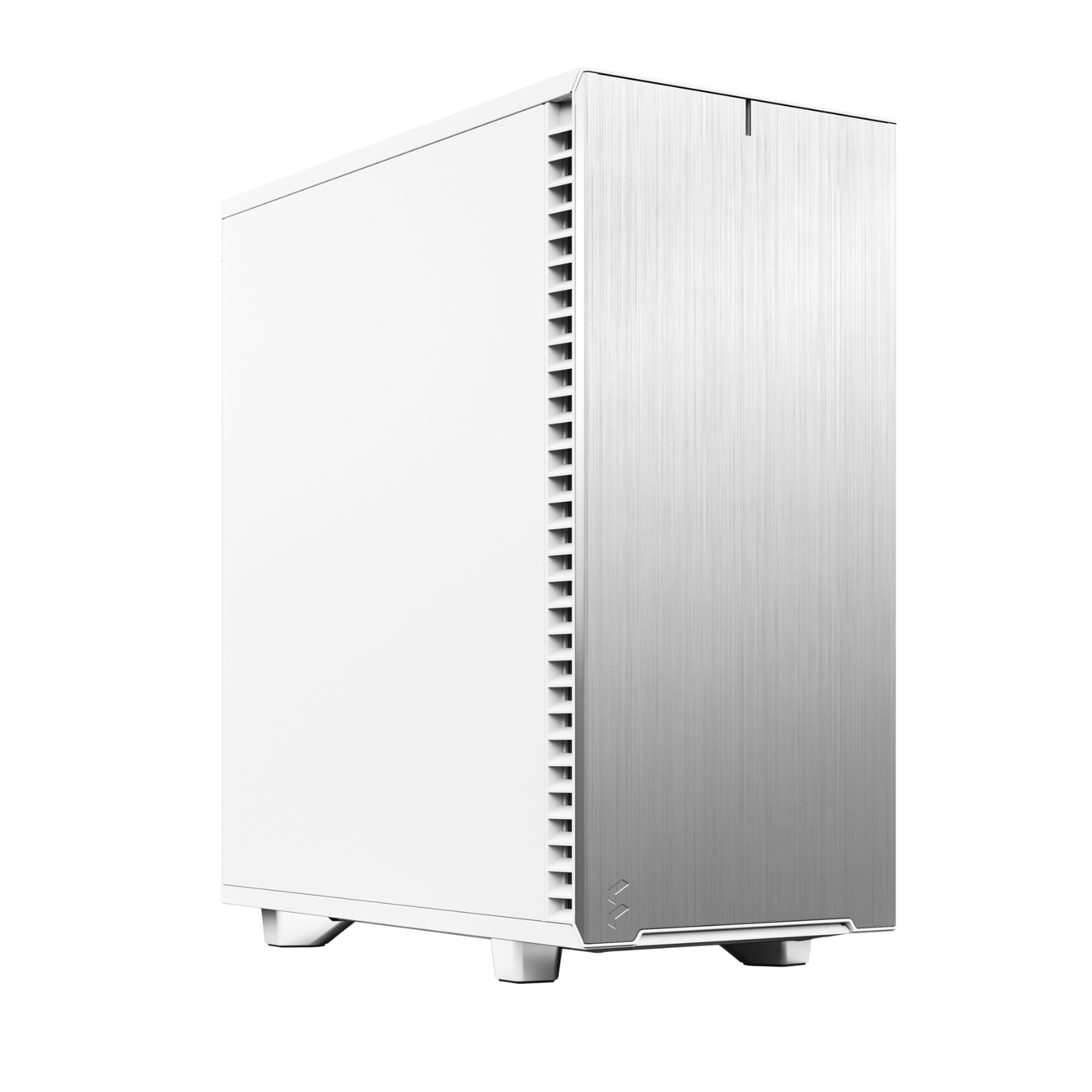
Custom audio workstation builds are increasingly popular because they allow producers to balance performance, noise, and expandability. UK retailers now offer configurations optimized for specific DAWs, ensuring compatibility and reducing setup time. By selecting a studio PC designed for music creation, you guarantee stability, reliability, and smooth operation during every session. The best workstation PCs in the UK this year focus heavily on CPU performance, RAM scalability, and ultra-fast storage. With DAW workloads becoming increasingly complex, a well-tuned workstation PC build ensures smooth mixing, faster rendering, and a more enjoyable creative workflow.
UK Market Trends in Audio Workstation Technology
Many UK producers now prefer custom-built studio PCs over off-the-shelf options. Customization allows complete control over processor choice, RAM, storage, and cooling, ensuring the system matches your workflow perfectly. From large orchestral libraries to electronic production, a tailored DAW PC provides consistent performance and reliability.
Quiet operation is another key advantage. Properly selected fans, power supplies, and cases reduce noise interference, making these custom audio workstations ideal for recording vocals or live instruments. Investing in a music production PC built for your specific needs ensures low-latency performance, smooth playback, and a professional-level creative environment.
Key Components for High-Performance DAW Computers
In 2026, a dedicated music production PC is essential for serious producers. Whether you’re working at home or in a professional studio, the right system ensures smooth DAW performance, fast sample loading, and responsive real-time audio. Prioritizing CPU power, RAM, storage speed, and low-latency optimization is critical to maintaining a productive workflow.
The UK offers a wide range of options, from pre-built audio workstations to fully custom studio PCs. Investing in a high-performance DAW PC tailored for your production needs guarantees reliability, stability, and the freedom to focus on creativity. From low-latency recording to plugin-heavy arrangements, a properly configured music production PC keeps your workflow smooth and your creative output at its best.
Custom Studio PC Configurations for Maximum Productivity
Even the best music production PC can underperform if it isn’t properly optimized. Start by updating your audio interface drivers and keeping your DAW software up to date. This reduces latency, prevents crashes, and ensures smoother performance during long sessions. Using a dedicated SSD for your project files and samples can dramatically speed up load times and reduce audio glitches.
Another tip is to disable unnecessary background processes and applications. A clean, focused studio PC environment ensures your CPU and RAM are fully available for your DAW. Additionally, configuring your BIOS for audio-optimized settings and enabling high-performance power profiles can further improve real-time processing. Regular maintenance, such as dusting fans and checking thermal paste on your CPU, also prolongs the life of your custom-built DAW PC while keeping performance stable.
Choosing the Best Workstation PC for Music Production in 2026
Investing in a high-performance audio workstation now saves you time and money in the long run. Future DAW updates, larger sample libraries, and more demanding plug-ins require systems with ample RAM, fast CPUs, and reliable storage. A custom music PC allows for upgrades like additional RAM, extra SSDs, or faster processors, ensuring your setup remains relevant for years to come.
UK producers especially benefit from studio PC builds designed for longevity. A well-optimized system reduces the risk of crashes during recording, improves rendering times, and allows seamless collaboration with other musicians and producers. Ultimately, a future-proof DAW PC keeps your workflow smooth, enhances creativity, and helps you deliver professional-quality productions without limitations.
FAQS for Music Production PCs
Yes. Every Music Arc system is fine-tuned to work flawlessly with popular DAWs like FL Studio, Ableton Live, Pro Tools, Cubase, Logic Pro (Hackintosh capable), Studio One, Reaper, Bitwig, and more. We optimize power settings, BIOS configurations, and memory timings for maximum DAW stability.
Absolutely. With high-speed NVMe SSDs and up to 128GB DDR5 RAM, Music Arc systems load large libraries like Kontakt, Omnisphere, Keyscape, Serum, and orchestral instruments quickly and smoothly.
Yes — silence is a priority. We use silent cases, high-quality fans, and noise-dampening components to ensure ultra-quiet operation, perfect for vocal recording or mixing in a studio environment.
Definitely. All systems are built with future-proof components, making it easy to upgrade RAM, SSDs, GPUs, and even the CPU depending on the model.
No. Music production is CPU-heavy, not GPU-heavy. We include efficient GPUs only when needed for multi-monitor setups. CPU performance is the priority.
i5 (Audio Pro): For beginners & intermediate producers
i7 (Audio Core): For advanced producers with heavy projects
i9 (Audio Ultra): For orchestral scoring, huge sessions, film composing, or mastering engineers
Yes. Our systems fully support USB, USB-C, Thunderbolt, and PCIe audio interfaces. They are optimized for low-latency ASIO drivers.
Yes. Music Arc PCs can run DAWs, live plugins, virtual instruments, and streaming applications simultaneously without lag — ideal for live sets or Twitch sessions.
Every Music Arc PC comes with a 3-year warranty along with technical support from House of Computers.
Yes. We can build fully customized systems for home studios, professional recording studios, DJs, film composers, and podcasters. Just tell us your workflow, and we’ll tailor the build exactly to your needs.
Read More
The Ultimate Guide to Gaming PCs in 2025: BattleBox Pro V2, Eclipse Pro V2 & RTX 50 Series Power
Gaming PC Performance Guide: Specs That Actually Matter in 2025
White Gaming PC Excellence: Build the Ultimate Clean and Powerful Setup
Sword V2 – The Ultimate Budget Gaming PC for 2025
Build the Ultimate Custom Gaming PC: Max Performance, Customization & Value
BattleBox Pro V2 with RTX 50 Series GPU – The Ultimate 1440p Gaming and Streaming Powerhouse
Best Gaming PCs in the UK: Your Ultimate Guide to Prebuilt Gaming Desktops
Want The Best In Style & Performance? Invest In A White Gaming PC
Best Custom PC Builds for Call of Duty: Black Ops 6 from House of Computers UK
How To Build and Buy Pre-Built Gaming PCs: Everything You Need to Know
Embracing the Elegance of White Gaming PCs: A New Trend in Gaming Culture in the UK
White Gaming PC: Guide to Building an Ultimate White Gaming Rig


